

GRP Vs Steel Vs Polyethylene Tanks
Is a GRP Tank Better Than a Steel or Polyethylene Tank?
Choosing the right water tank is essential for long-term safety, durability, and water quality—especially in the UAE’s hot and humid climate. Many customers ask:
“Is a GRP tank better than a steel or polyethylene tank?”
In this guide, we compare GRP, steel, and polyethylene (PE) tanks to help you make the best decision.
What Is a GRP Water Tank?
A GRP (Glass Reinforced Plastic) tank is made using high-strength fiberglass and resin. GRP tanks are known for their excellent durability, corrosion resistance, hygiene, and modular design, making them a popular choice for residential, commercial, and industrial water storage.
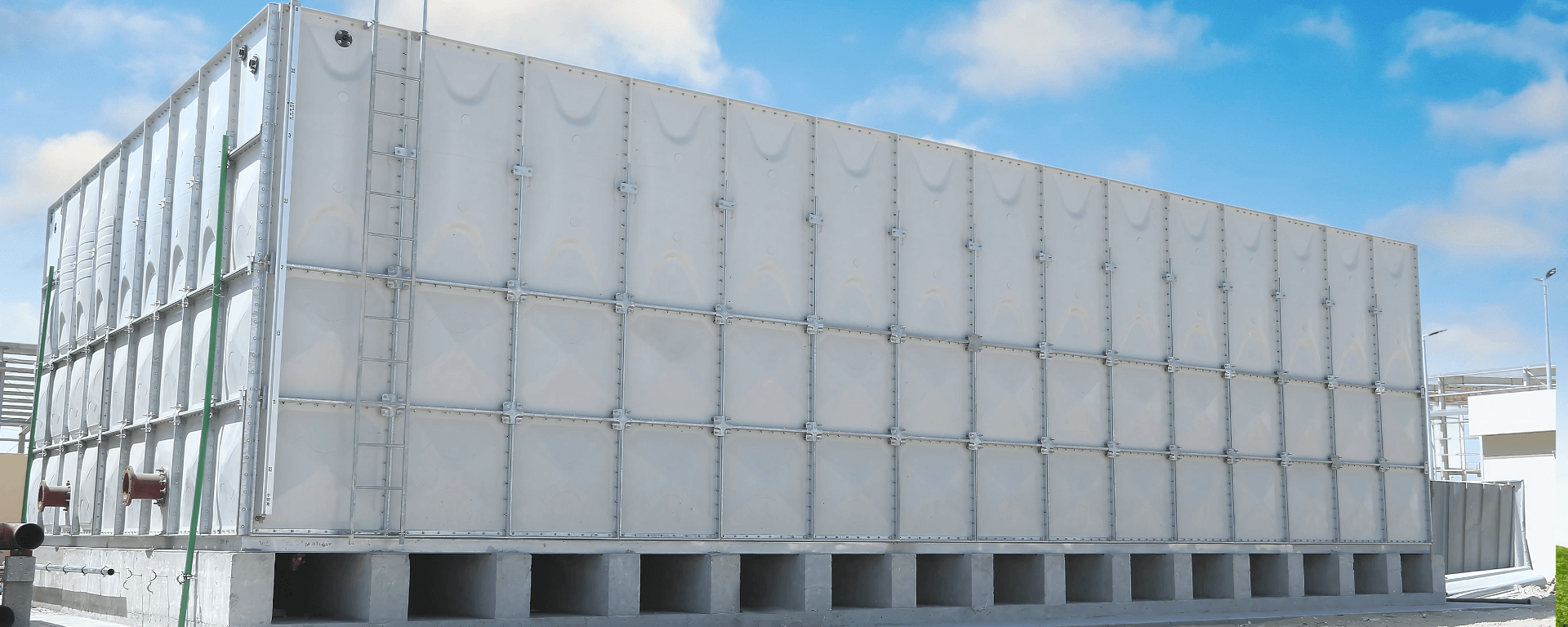
GRP vs Steel vs Polyethylene Tanks – Quick Comparison Table
| Feature | GRP Tank | Steel Tank | Polyethylene (PE) Tank |
| Corrosion Resistance | Excellent | Poor | Good |
| Heat Resistance | Very High | High | Low–Medium |
| Water Quality | Hygienic | May rust | Safe but can heat up |
| Maintenance | Low | High | Medium |
| Installation Options | Modular, customizable | Limited | Fixed shapes only |
| Best For UAE? | ✔✔✔ | ✔ | ✔ |
Why GRP Tanks Are Better in UAE Conditions
✔ Superior Heat Resistance
GRP material does not warp or degrade under high temperatures. Unlike PE tanks, GRP tanks do not allow sunlight or heat to affect water quality—critical in UAE summers.
✔ Long Lifespan
Due to its strong composite build, GRP lasts longer than both steel and plastic. Steel often rusts and polyethylene weakens over time due to UV exposure.
✔ Hygienic & Safe for Potable Water
The smooth, non-porous inner surface of GRP prevents algae, bacteria, and contamination—ideal for drinking water.
✔ No Corrosion or Rust
Unlike steel tanks, GRP does not corrode, making it perfect for coastal and desert environments.
✔ Highly Customizable (Modular Panels)
GRP sectional tanks can be manufactured and installed in any size or location, even in basements or rooftops, where PE or steel tanks cannot fit.
✔ Low Maintenance
GRP tanks require only simple periodic cleaning, unlike steel tanks that need anti-rust coating and frequent repairs.
When Are Steel Tanks Used?
Steel tanks may be preferred for:
- High-pressure industrial systems
- Chemical storage (specific grades)
- Firefighting systems (when GI or mild steel is specified)
However, they require regular anti-corrosion treatment and have a shorter lifespan compared to GRP.

When Are Polyethylene (PE) Tanks Used?
Plastic tanks are common in homes for small-scale storage because they are:
- Lightweight
- Affordable
- Easy to install
But they can expand, discolor, and degrade under UAE sunlight and heat. Not ideal for long-term or large storage.

Final Verdict: Is a GRP Tank Better?
Yes. A GRP tank is generally better than steel or polyethylene tanks—especially for UAE weather conditions.
GRP Tanks Offer:
- Longer lifespan
- Better heat resistance
- Higher water hygiene
- Zero corrosion
- Customizable design
- Stronger structural performance
This makes GRP the most reliable and long-lasting option for residential, commercial, municipal, and industrial applications.
Choose Colex Tanks Trading LLC — UAE’s Trusted GRP Tank Supplier
At Colex Tanks Trading LLC, we supply ISO & WRAS-approved GRP water tanks designed for UAE climate conditions.
Our GRP Tanks Are Ideal For:
- Villas and residential buildings
- Commercial properties
- Industrial sites
- Firefighting water storage
- Municipal and public utilities
- Hospitals and schools
Contact us today for quotations, technical support, or site inspections.
Get a Free Quote
Frequently asked questions
GRP (Glass Reinforced Plastic) tanks are made of fiberglass and resin, offering excellent corrosion resistance and a long lifespan. Steel tanks are strong but prone to rust without coatings. Polyethylene tanks are lightweight, cost-effective, and corrosion-resistant but may degrade under UV exposure over time.
GRP tanks typically have the longest lifespan (25+ years) due to corrosion resistance and durability. Steel tanks may last around 10–15 years without extensive maintenance, and polyethylene tanks often have a shorter life depending on UV exposure and usage conditions
Yes — GRP tanks have smooth, non-porous surfaces that resist algae and bacteria, making them highly suitable for drinking water. Steel tanks may require coatings to maintain water quality, and polyethylene tanks can heat up and affect water temperature.
GRP tanks are lightweight and modular, allowing easier transport and on-site assembly with minimal maintenance. Steel tanks require heavy equipment for installation and regular anti-corrosion upkeep. Polyethylene tanks are simple to install and need moderate maintenance.
While polyethylene tanks may have lower upfront costs, GRP tanks often prove more cost-effective over time due to low maintenance and long service life. Steel tanks can become expensive because of coatings and upkeep needs
Yes — GRP, steel, and polyethylene tanks can be used across residential, commercial, and industrial settings, but the best choice depends on climate conditions, budget, capacity requirements, and expected lifespan.